

Best Underfloor Heating Mat
23/10/2026
Underfloor heating (UFH) is no longer a luxury add-on and has become a standard specification for bathroom, kitchen and living space refits. For tilers and installers that means there’s one question that comes up on almost every job: which underfloor heating mat should I fit?
In this guide, we look at what really matters when specifying a mat, so you can make the right choice (and justify it with confidence to the customer) every time.
What is an Underfloor Heating Mat?
Underfloor heating mats, together with other elements to build underfloor heating systems, offer an alternative to traditional heating methods such as radiators. The mats have a heating element, usually of a thin, flexible material, which is placed beneath the floor. They can be used under most flooring types, including tile, laminate, and even carpet. The mats are controlled by a thermostat, which can be programmed to maintain a specific temperature, ensuring a consistent level of warmth.
Benefits of UFH Mats and How They Work
Underfloor heating mats have many advantages for homeowners in the UK. Firstly, these mats are very energy efficient as they heat the room evenly from the floor up. This will help you lower your energy bills. Also, UFH mats are less noticeable than traditional radiators, which means you can save space and have more freedom in terms of interior design. In terms of health benefits, underfloor heating mats can reduce the presence of mould and dust, which is beneficial for those who suffer from allergies.
UFH mats are placed on top of a layer of insulation and then covered with a layer of self-leveling compound or floor screed. The heated floor then radiates heat evenly throughout the room, providing a more comfortable and inviting environment compared to traditional methods of heating.
Read More:
Types of UFH Mats
One of the most common questions when choosing the UFH mat is which one is the best? The honest answer is that no single mat is “best” for every job. The right choice depends on room size, floor buildup, tile type, and how much control the end client wants. Before comparing products, it's worth knowing what separates a mat that performs for years from one that causes a callback.
1. Mesh Heating Mat
Best for: tile and stone flooring.
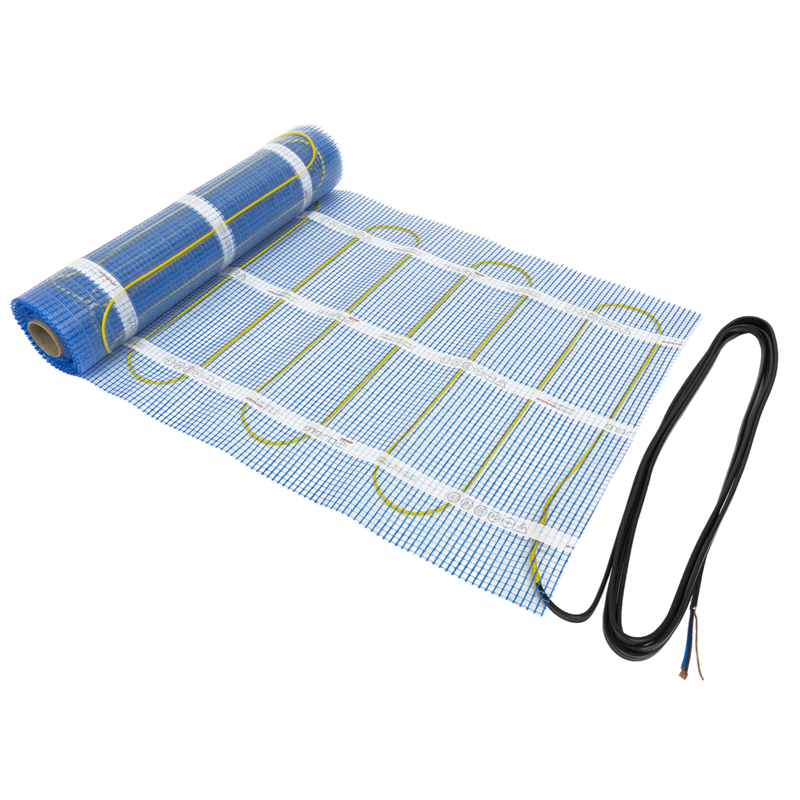
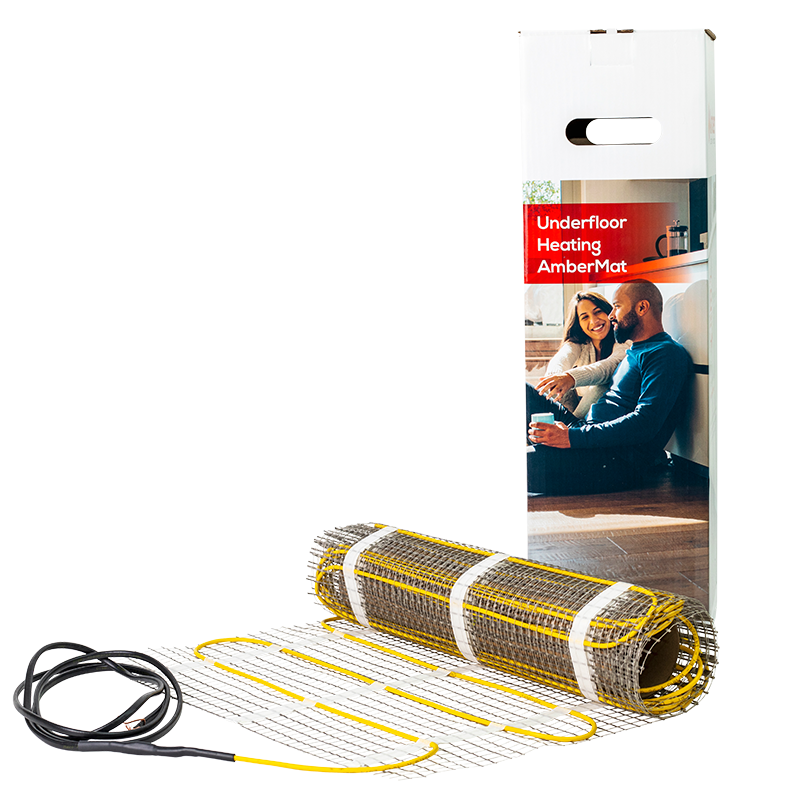
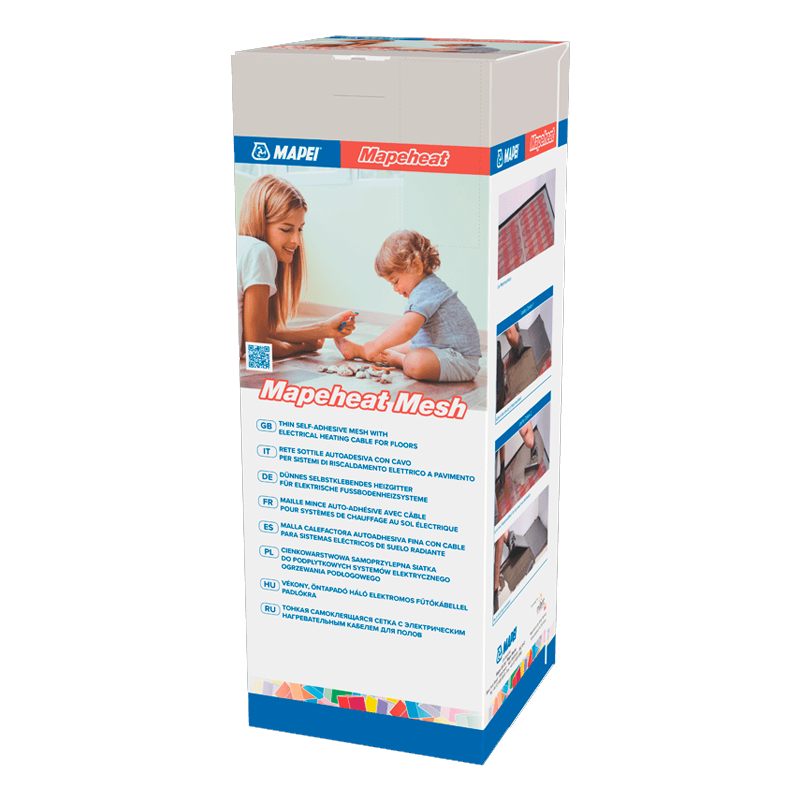
Mesh heating mats are the go-to choice for electric UFH when the finished floor is tile or natural stone. They consist of a thin, pre-spaced electric heating cable factory-fixed to a self-adhesive fibreglass mesh net.

FROM £58.79 INC VAT
FROM £61.19 INC VAT

FROM £73.19 INC VAT
2. Foil Heating Mat

Best for: laminate and wood flooring
Foil heating mats work differently, and they're designed specifically for floating floor finishes - laminate and engineered wood. This is an electric UFH system, meaning the mat sits beneath the floating floor rather than being embedded in adhesive or screed. It cannot be cut to size, so accurate planning of the layout is essential before installation begins.
3. Insulated/ Low-Profile Castellated System

Best for: various floors, especially low-build floors
Where floor height is tight, or heat loss downward needs to be minimised, an insulated low profile castellated system is often the better specification than a standard mesh or foil mat. These systems use rigid insulation boards moulded with raised studs (castellations). Their low profile design also keeps the overall floor build-up to a minimum, but the benefits of a fully insulated wet UFH system are still wanted.
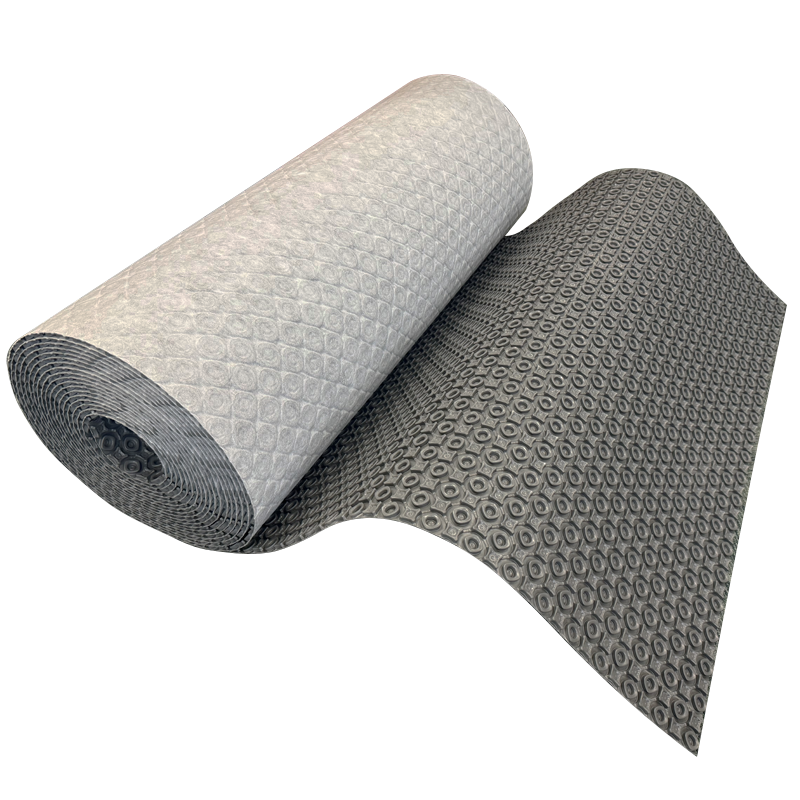
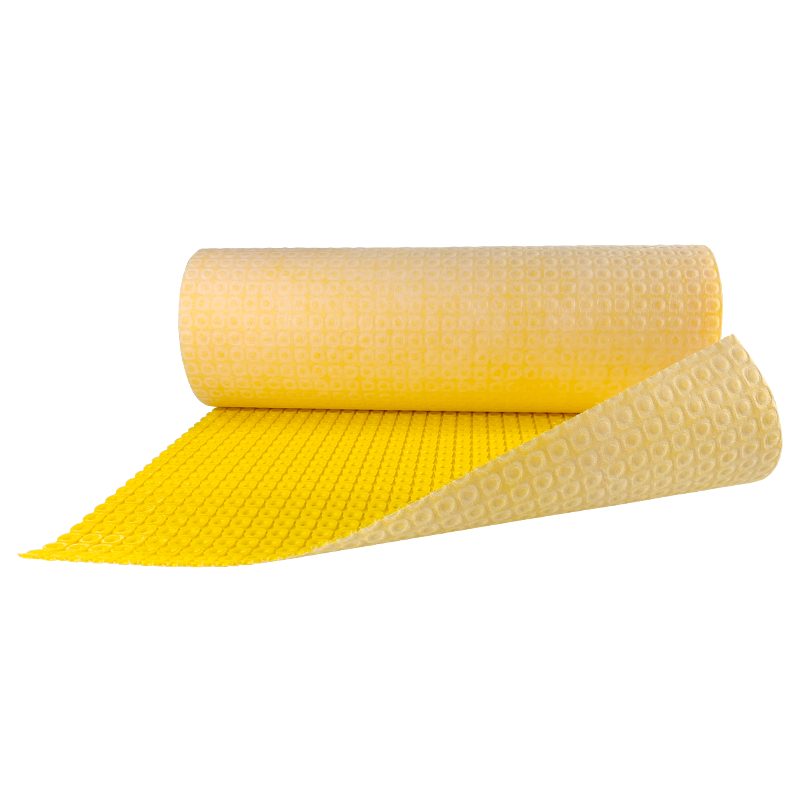
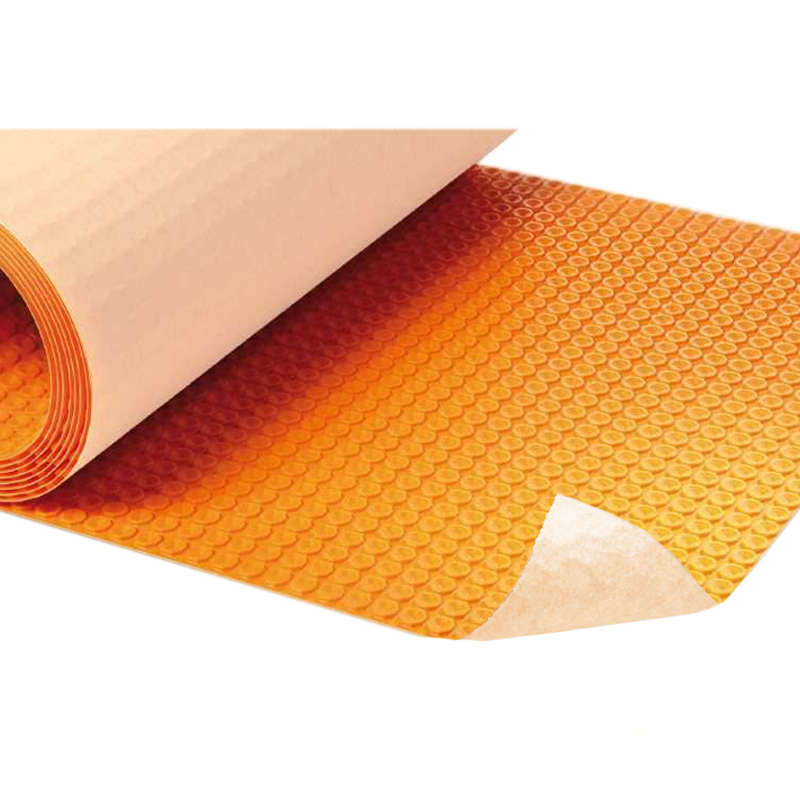
4. Decoupling Matting
Best for: Tile and stone flooring
Decoupling matting isn't a heating mat itself, but it's often specified alongside a mesh heating mat on tile and stone projects, and it's worth understanding as part of the electric UFH system. You don’t need any tools to install the system – simply position the heating cable by hand within the castellations of the membrane.

£10.25 INC VAT

£14.39 INC VAT

£199.19 INC VAT
Read More:
Frequently Asked Questions
How do you test underfloor heating mats?
To test an electric underfloor heating (UFH) mat, you need a digital multimeter to check continuity and resistance, and ideally an insulation tester to check for hidden wire damage. You should test the mat at three critical stages: right out of the box, after laying the mat, and after putting down the final floor finish.
Can you cut the UFH mat?
Yes, in some instances, you may need to cut and turn the mats to suit the shape of the room. However, it is essential that you do not cut, twist or kink the heating element.
Can these mats be joined together to cover a larger area?
The mats cannot be connected together. For larger areas, you lay multiple mats out, and each mat's power lead is wired back in parallel to the thermostat. You just need to make sure the total load of all the mats doesn't exceed the capacity of the thermostat they are connected to.
If you need any advice to choose an underfloor heating mat, don’t hesitate to contact us via email at [email protected] or give us a call at 01604 859800.