

Knowing Your Tile Backer Board Adhesive Options
26/10/2026
Tile backer boards give you a stable, moisture-resistant substrate for wall and floor tiling, but the board is only half of the system. The wrong adhesive can lead to poor bond strength, hollow-sounding tiles, or failures in wet areas weeks or months after handover.
Our guide below covers the main adhesive options for tile backer boards, when each is the right call, and the application points that make the difference on site.
SHOP TILE BACKER BOARD ADHESIVE
Why Adhesive Choice Matters on Backer Boards
First, let’s take a closer look at tile backer boards. There are two main types: fibre cement boards & XPS tile backer boards. If you are not sure which one is right for your project, read our guide to choose the right backer board before you buy and find the best options. Tile backer boards are used where timber, plasterboard or an uneven substrate would be a poor base for tile, such as wet rooms & showers, kitchens, underfloor heating installations and floors with some movement. These are demanding environments, and the tile adhesive has to cope with moisture, thermal movement and the weight of the tile.
There are some factors which could drive your choice:
The board type: fibre cement, cement bonded, or XPS tile backer boards all have different surface characteristics.
The tile in terms of size, weight, and porosity: large-format porcelain is far less forgiving than a small ceramic wall tile.
The environment: wet or dry, heated or unheated, interior or exterior, and how much movement to expect.
Read More
Types Of Tile Backer Board: Fibre Cement Board vs XPS Tile Backer Board
Tile Backer Board: What Should I Use Under My Tiles? | Pro Tiler Tools
Choose The Right Tile Adhesive for Tile Backer Boards
1. Cement-based flexible adhesive (C2 S1 or C2 S2)
Cement based flexible adhesive is the default choice for most backer board work, and for good reason. Under BS EN 12004, a C2 adhesive is an improved cement-based adhesive with higher bond strength. The S1 classification means it’s deformable, and S2 means highly deformable.
Flexible Tile Adhesive allows for small movements between the board and tile, which is important with underfloor heating or timber floors. Cement-based tile adhesive also sticks well to the cement-based boards.
Best for: most floor and wall installations on cement and fibre cement boards
Read More:


£24.60 INC VAT


£15.59 INC VAT


£25.80 INC VAT


£12.60 INC VAT

2. Rapid set cement adhesive (C2F)
Rapid set adhesives gain strength quickly, so tiles can be fixed, grouted and walked on sooner, which speeds up the whole job. That makes them useful on tight projects, in occupied commercial premises, and for jobs that can’t be out of action for long.
Best for: fast turnaround refurbishments, shop and restaurant floors, and situations where you need grouting within hours rather than a day.
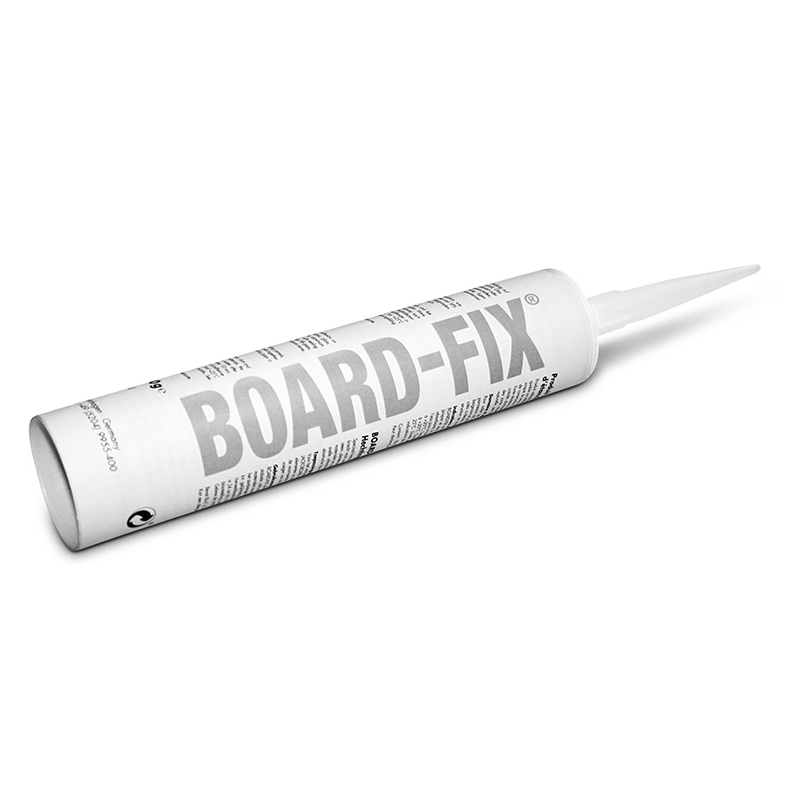
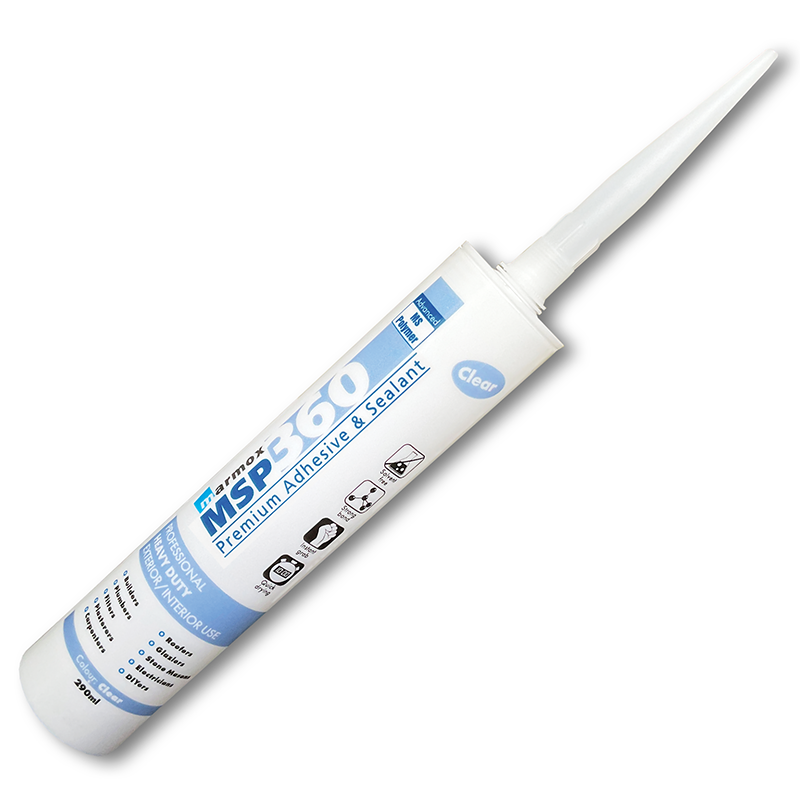
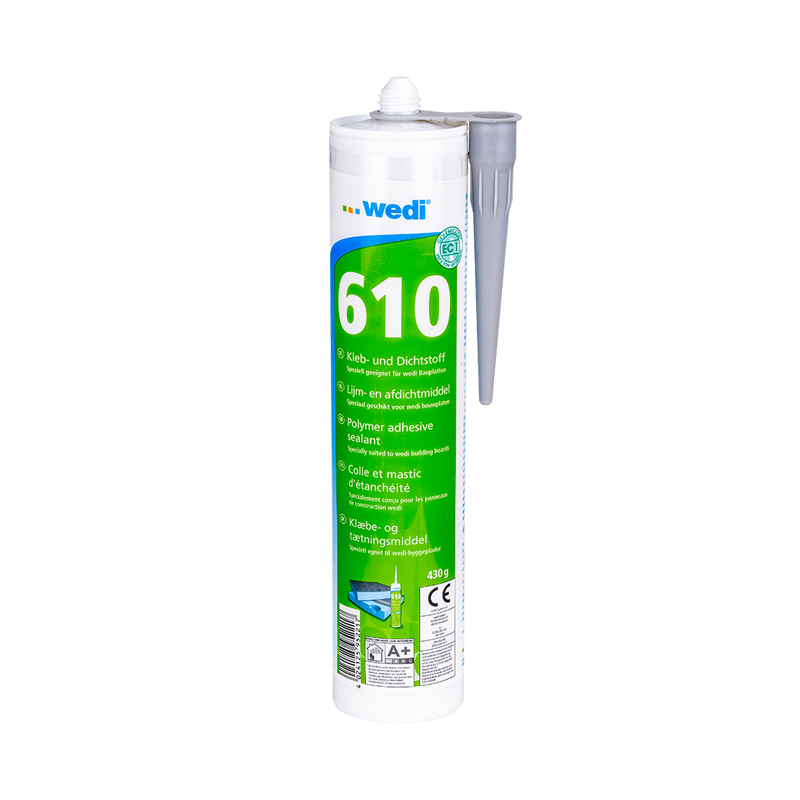
3. Paste Adhesive
For a small job with tile backer board, a fast fix adhesive can be a practical choice. It comes ready to use, so there’s no mixing, no measuring water and no waste from over-batching, which suits repairs, single walls and other small areas where a full bag of powder would be overkill. Always check the manufacturer’s data sheet to confirm it’s suitable for your board, tile size and location, particularly in wet areas or on floors.
Best for: small jobs, repairs, and bonding a few backer boards together.

£16.79 INC VAT

£15.00 INC VAT

£20.39 INC VAT
Read More:
Frequently Asked Questions (FAQ)
1. Can you use adhesive without screws on tile backer boards?
For cement-based backer boards, tile adhesive alone isn’t enough for a secure, long-lasting fix. You’ll need backer board screws to hold the boards firmly in place.
If the wall is uneven and needs levelling, pre-drill the boards in a grid pattern, with holes spaced around 120mm apart, ready for the screw fixings.
2. Which tile backer board adhesive is best for shower walls?
For shower walls, the best choice is generally a flexible, cement-based C2 S1 adhesive (EN 12004 classification). It’s polymer-modified, so it copes with the movement, moisture, and temperature changes in a wet area.
Some recommended products are:
C2 S1 flexible standard adhesive: Larsen Fibreflex Standard Tile Adhesive, PREMTOOL S1 Flexible Tile Adhesive, Ultra Tile Fix ProFlex Standard Set Adhesive.
C2 S1 fast set adhesive: Laticrete Flexible Rapid Set Tile Adhesive, PREMTOOL Rapid Set S1 Flexible Tile Adhesive, Mapei Keraquick S1 Rapid Setting High Performance Adhesive.
3. How long does tile backer board adhesive take to dry?
Tile adhesive drying times vary depending on the adhesive type, site conditions (temperature, humidity, and ventilation), and the type and size of tile backer board you’re fixing to.
Here are typical guidelines for tile adhesive on backer boards:
Rapid set adhesive: Usually ready for tiling or grouting within 3 to 4 hours.
Standard set adhesive: Typically allow 18 to 24 hours before grouting or putting the surface into use.
Always check the manufacturer’s technical data sheet for the exact open time, setting time, and cure time for your product, as these can differ between brands and formulations.